Arrival
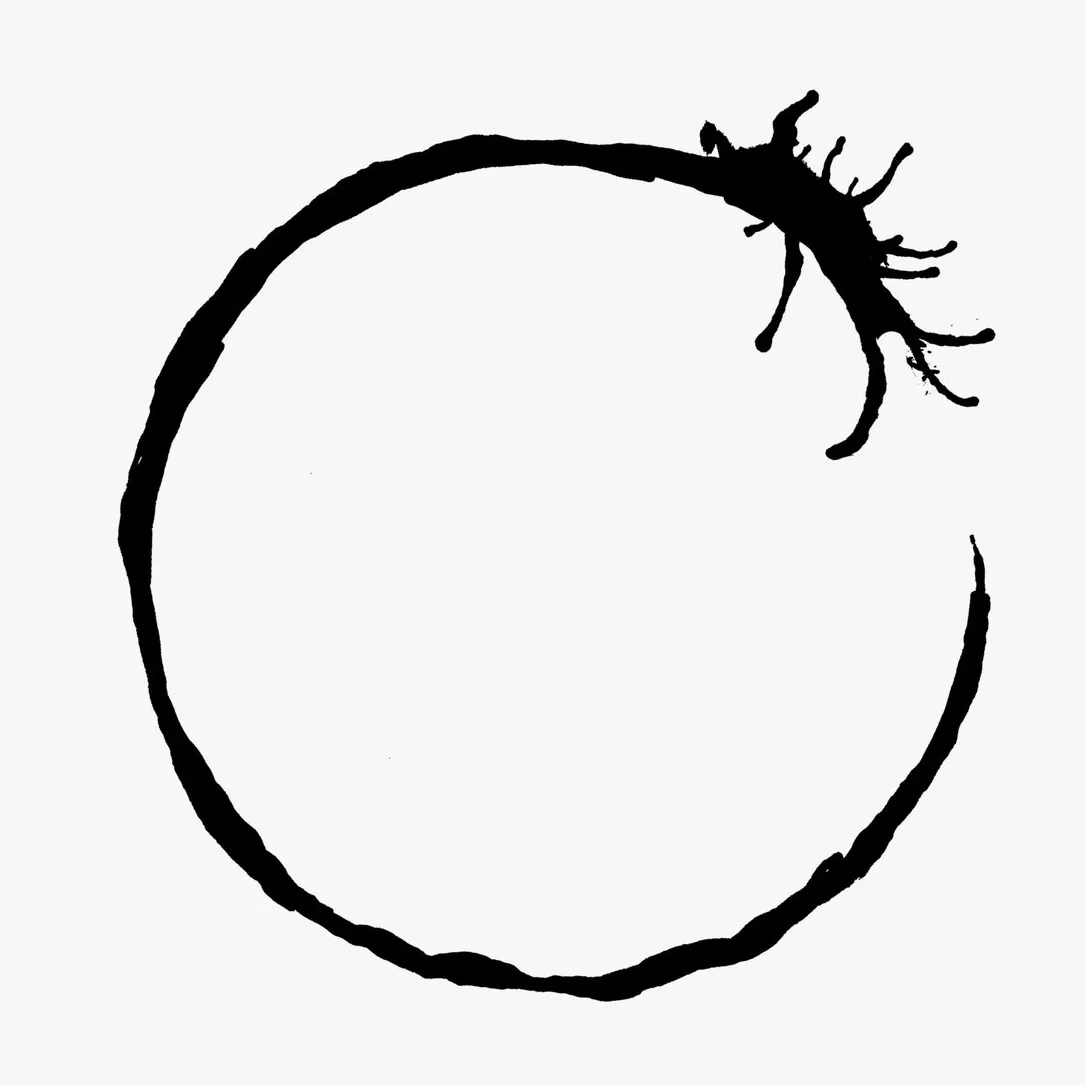
I first saw this movie at TIFF in 2016. At the time, I was in the (relatively) early days of the relationship that would become my marriage. In other words, less emotionally evolved, let’s say. I remember being moved by the core theme of the movie, which—spoiler warning—hinges on the question: if you have foreknowledge that your child would die from a childhood illness, would you still choose to have that child? But, I think the main appeal for me back then were the sci-fi elements. Cool spaceships! Alien first contact!
Rewatching it this time around, I’ve been happily married for years. We don’t have kids, but the notion of being a parent is way more immediate and accessible to me now than eight years ago. As such, the movie had a bigger emotional impact for me this time. But the connection that actually resonated the most for me, unexpectedly, was this: pet owners, in most cases, know that they will outlive their pets, and yet, we choose to share our lives with our animals. These can be some of the most fulfilling relationships we have, in fact.
Of course, I’m not equating the loss of a child to that of a pet. But both types of loss highlight the message of Arrival, I think: the act of fully loving someone or something requires accepting the possibility of loss. And if you know that the loss is certain, it makes the love that much stronger.
Kingdom of the Planet of the Apes
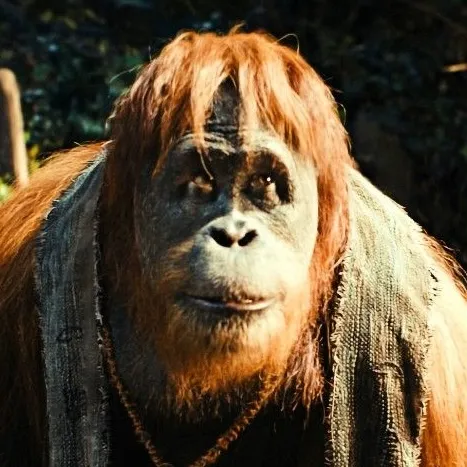
The Andy Serkis Planet of the Apes trilogy, especially the middle entry, are some of my favourite movies ever. What the new sequel retains is the utter believability of the special effects. You really believe that you’re watching living apes, and that they are persons with thoughts and feelings.
I loved the first half of the film, which establishes the culture of the future ape society, through the main character Noa, and then the studies of a monk-like ape named Raka. If the film had stuck with the “buddy search quest” plotline, where the two of them try to find Noa’s missing clan, this would have been a home run. Unfortunately, the film loses steam for me when it introduces a triangular conflict involving a power-hungry self-proclaimed king ape, and a mysterious human girl. The focus shifts to a big action climax instead of fleshing out the motivations of the antagonist(s), and made me miss the moral complexity of the original trilogy.
Dune

This is a joint review of the two parts of Denis Villeneuve’s Dune. It’s obvious that aesthetically, the film is amazing. Visuals, character design, sound design, music: all great. I’ve had Hans Zimmer’s score running through my head for the past two years. The scene with the throat-singing shaman or whatever is burned into my brain.
On the other hand, I found the storytelling difficult to get a grasp on. In each of the two parts, I enjoyed the scene-setting of the first half of the runtime. But then, as soon as the plot started to accelerate towards the end, the pacing felt both slow and rushed at the same time. I think the story is just too complicated to fit into a movie. (Maybe, just maybe, the early 2000’s miniseries and its sequel did a better job of making the story clear, but I haven’t watched those in a long time, and I don’t trust my fond memories of it.)
At the end of the day, the feeling I’m left with the most is the desire to read the books again.
The Animal Kingdom
I saw this film as part of the TIFF Secret Movie Club program. The screenings have that film festival feeling, because we’re seeing movies before wide release. Also, they’re often capped by a Q&A session with part of the filmmaking team. For the screening of The Animal Kingdom (a.k.a. Le Règne Animal), we were told before the show that there’d be a recorded interview with the sound supervisor at the end. Because of this fact, I tried to tune into the auditory experience, and indeed, it’s one of the notable technical achievements of the film.
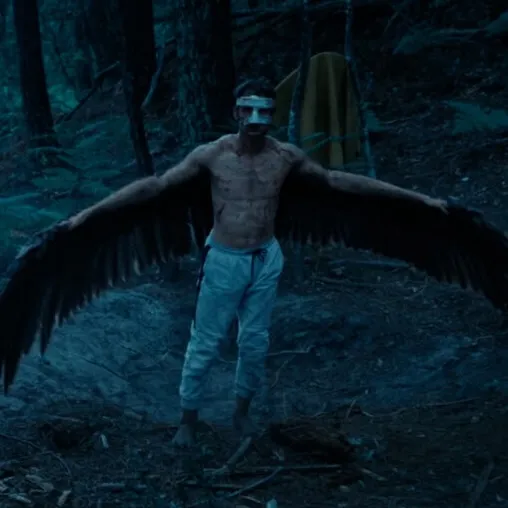
In the story, people have started to randomly mutate into Dr. Moreau-esque animal hybrids. We follow a family whose matriarch has begun this transformation, and has disappeared into the wild, while the father and son try to get her back—both in the sense of physically locating her, and in the sense of “curing” her and making her human again. The tension mounts further when the townspeople get their pitchforks ready, and further still when the boy shows signs of mutation too.
The designs of the hybrids are cool, and brought to the screen mostly by performance and prosthetics. The aforementioned sound design comes into play in the way the creatures blend their human speaking voices with animal sounds.
Sci-fi-grounded-in-reality is probably one of my favourite things, and I enjoyed the film on its technical achievements and plotting. However, the allegorical elements felt too broad to be effective. It only points at subjects like racism, queerness, environmentalism, without really diving into any. Honestly, it covers a lot of the same thematic ground as X-Men, but without the luxury of time that a long-running series affords.