Least of all did I understand what freedom was and how I could attain it. I thought it was a mere unbuttoning, a release, where in fact—as you know well—it is the dividend yielded by an unrelenting obedience to and mastery of the laws of creation. The rigorously trained fingers of the concert pianist are freer than the enslaved heart of the music lover can ever be. I suppose this explains why great artists can be such dreadful and disappointing people. Life rarely offers sufficient time or opportunity to be free in more than one way.
Quotes from Second Place
by Rachel Cusk
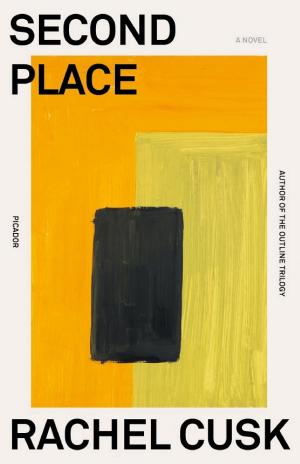
Quotes from Second Place Rachel Cusk
These two feelings, always coming in a pair, the better to incapacitate and handcuff me—I have been troubled by them right from the beginning, when Justine arrived on this earth and seemed to want to stand in the same spot that I stood in, only I was there first. I could never reconcile myself to the fact that just as you’re recovered from your own childhood, and finally crawled out of the pit of it and felt the sun on your face for the first time, you have to give up that place in the sun to a baby you’re determined won’t suffer the same way you did, and crawl back down into another pit of self-sacrifice to make sure she doesn’t!
For the first time, Jeffers, I considered the possibility that art—not just L’s art but the whole notion of art—might itself be a serpent, whispering in our ears, sapping away all our satisfaction and our belief in the things of this world with the idea that there was something higher and better within us which could never be equalled by what was right in front of us.
The thing is, Jeffers, that between two people as different as Tony and me there needs to be an act almost of translation, and at times of crisis it’s very easy for something to get lost in that act. How could we be sure we understood one another? How could we know that what we were seeing and responding to was the same thing?
My suspicion was that the artist’s soul—or the part of his soul in which he is an artist—has to be entirely amoral and free of personal bias. And given that life as it goes on works to reinforce our personal bias more and more in order to allow us to accept the limitations of our fate, the artist must stay especially alert so as to avoid those temptations and hear the call of truth when it comes. That call, I believe is the easiest thing in the world to miss—or rather, to ignore. And the temptation to ignore it comes not just once but a thousand times, all the way until the end. Most people prefer to take care of themselves before they take care of the truth, and then wonder where their talent has disappeared off to.